Kings Bay expanded their submarine fleet from a handful of big old Boomers during the Second Great Depression to dozens of smaller subs in the next century. The new subs lacked the vertical launch systems of the older Boomers, but carried torpedo-launched missiles with similar range to the old Tridents they replaced, in addition to standard anti-ship torpedoes. These much smaller submarines were cheaper to build and operate, especially since they used smaller micro-nuclear reactors in place of the massive reactor spaces of older submarines. They were a revolution in submarine technology, pressed into service by finite budgets that proved less and less capable of keeping up with the missions the old boats had to perform. Those technologies were cross-developed for use in space, tested on the submarines, and then used in Georgia’s first steps in their exploration of the Solar System. They launched from Georgia’s best launch facility. Kings Bay.
Kings Bay was the home of America’s old Atlantic ballistic submarine force for some decades after the Second Great Depression. All of them were retired due to expensive maintenance or lost due to equipment failures as time went by, though Georgia has never released the records. Georgia does not even have the records, and Kings Bay keeps them on air-gapped servers behind cybernetic systems who consider it their mission in life to keep anybody from accessing them. Nobody outside Kings Bay’s senior leadership knows when exactly the last of the old ballistic submarines were retired, because boats of the same name continued to operate. They replaced the old Boomers with much smaller submarines that were far cheaper and easier to operate, and eventually expanded the numbers of the fleet. Each sub had far less magazine space than the older Boomers, but the missiles they had were smaller and could still reach anywhere on the globe. They could no longer kill all of America’s enemies ten times over by the end of the century, but Georgia had far more limited resources than the America that built those old Boomers. What they built was sufficient to their needs.
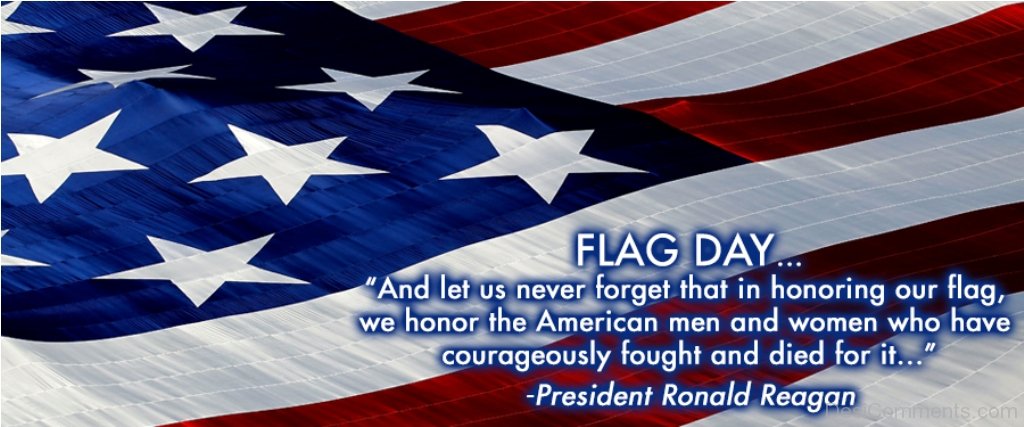
Today is Flag Day, the commemoration of the adoption of the flag of the United States of America on June 14, 1777, by the Second Continental Congress. They were standing up against a tyrannical government and needed a new flag of their own. So they passed a resolution of a new flag with thirteen stripes and thirteen stars on a blue field, one for each of the Colonies. One of the most famous versions of that is the Betsy Ross Flag, with the thirteen stars in a circle. We have a few more stars now, but the same number of stripes to remember the original thirteen States that risked everything to form the nation we live in now.
The Kings Bay ballistic submarine crews made it their mission to make certain another of their number was never sunk again, either by enemies or friends. Especially friends. Because a boat with the firepower to end Civilization as we know it has few true friends in the end. They redoubled their efforts to become holes in the ocean, only coming out of the darkness when they felt the times were right. Holes in the ocean that nobody ever saw required a little theater when it came time to ask for funding after all. So they developed a tradition of hunting other submarines. Or as retired crewmembers explained it, waiting for some unlucky bastard to pass their hiding place and using remote drones to lock them up with full sonar pings. Followed by an announcement, thanking them for taking part in this scheduled test of the Georgian Navy’s targeting systems. The Boomers never revealed themselves during these “scheduled tests,” and quickly scooted away to another hiding place after each one, but they made certain nobody ever forgot they were out there, watching, waiting, and ready to strike at any time. You may guess this earned them few new friends, and a great many people who believed the Georgian Navy was insane. They were not entirely wrong.
Kings Bay in Georgia erased decades of lax security and personnel procedures in the months following the sinking of USS Georgia with all hands. One operational method they used was never admitting when or how they spent time in dock, even when undergoing long term repairs or maintenance. As the months turned into years and then decades, historians know that Georgia retired or lost some of their ballistic missile submarines as maintenance became harder and more expensive. But they never admitted it. All boats remained on their fleet registers and were officially “on patrol” at all times. Even their funding and expenditures remained at a level required to operate their entire official fleet. They banned funerals and memorial stones for crewmembers who died in the line of duty. Social media presences remained active, and letters continued to go to family as usual. Pay accrued and was deposited into family accounts as usual until they officially died of old age or a random illness that had nothing to do with their duty on board a nuclear boat. Because all of Georgia’s boats continued to operate as the final deterrent to any foreign power that may have ill intent towards America. Everybody knew it was a lie at the time, but no one knew where the lie was, so they had to treat the lies as possibly true.

Forge of War on Amazon
Angel Flight on Amazon
Angel Strike on Amazon
Angel War on Amazon
Wolfenheim Rising on Amazon
Wolfenheim Emergent on Amazon