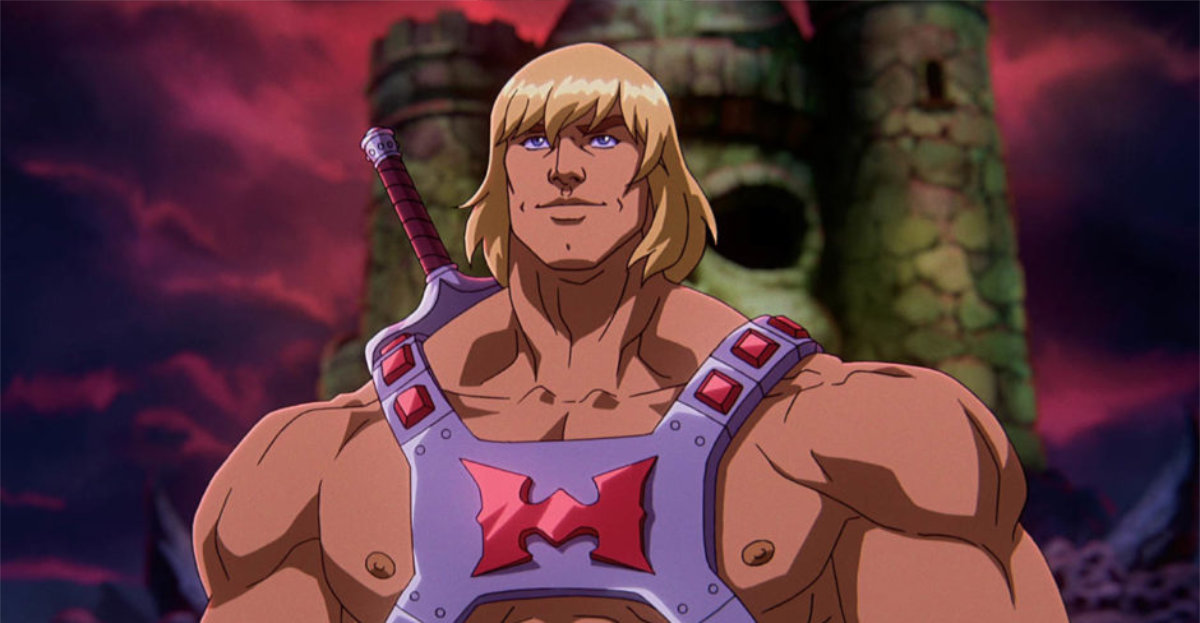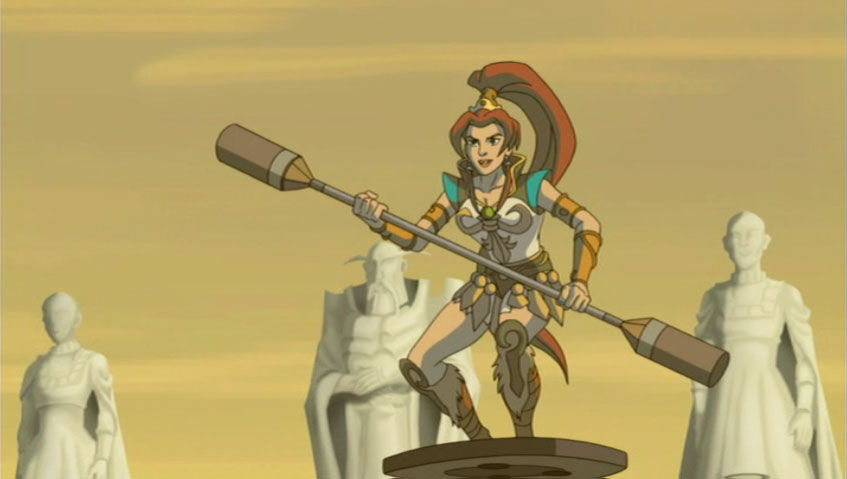
Bringing this back around to the recent He-Man remake, Teela has always been one of the cornerstones of the Masters of the Universe. The Captain of the Guard of Castle Grey Skull, daughter of the Sorceress, possibly the daughter of Man-at-Arms, the wife of Prince Adam and mother of a new generation of Masters in some stories. Brave and loyal partner to He-Man across a thousand battlefields. Seeing her react to the death of He-Man and the defeat of the other Masters could have been the brilliant start of an amazing story. Instead they reinvented her into an angsty teenager with trust issues, who throws the world away because she is angry at everyone she grew up with. Add in some longing lesbian tension, and you have the standard modern Hollywood “brave subversion” of a popular heroic character. One that is a pale imitation of the Teela we knew. This is not a nostalgic remake.
Making remakes of popular properties can be difficult. What most fans want is a repeat of the original, only better. They often want bad things from the original fixed, but they often want the remake to fit close to the original. But many producers or directors want to put their own stamp on things. Maybe they don’t like the source material, or they want to subvert expectations by massively changing characters or stories in ways they consider fresh and brave. This is rarely popular with fans of the original work. Though this can garner new fans who never liked the original at all. And when fans of the original complain that the remake isn’t true to the source, the new fans publicly ridicule the old fans as “not real fans,” or as “toxic fans.” These bad feelings negatively impact the remake’s popularity and profitability, which is not good at all for anybody.
There is an art to making remakes that honor the original. Fans of the original want to see new stories, often but not always with the same characters. Sometimes they want to see the next generation, while the old characters sit in the background and encourage them. Most importantly, fans want to feel the same way they felt when they experienced the original. The most popular multimedia remakes use modern technology and methods to make better-looking stories that feel the same. Transformers has had dozens of major comics, games, TV, and movie remakes, and in every one, Optimus Prime is the kind and good leader of the Autobots, reluctant warriors who fight only when forced to. The story is different every time, but they are always true to the 1980s “Freedom is the right of all sentient beings” ideal that they were built on. The best parts of the old stories, the ones that make fans feel nostalgic for their younger days, are highlighted again for a new generation. These are popular and profitable reboots that unite fans and encourage companies to make more of them.
If you love 80s cartoons, you’ve heard that a new He-Man show was coming out. I saw the previews for it and was amazed. The art is spectacular. The chance to get to see He-Man and the Masters of the Universe fighting to save Eternia again for the first time in decades had me at first sight. Then someone leaked a plot that it wasn’t going to be about He-Man at all, but about Teela, and her search for He-Man after he and the Masters of the Universe are killed or defeated. The show creator went to social media to say that wasn’t true and that it really was about He-Man. And when it finally released, viewers reported that the leak was accurate. The fans had been lied to. They got outraged about the whole affair and complained. Only to be shouted at by new fans saying “how dare you not love this brave new subversion of that old crappy show?” Sigh… Nah Fam… not buying it…
When the rioters burned down Mobile, it caused a refugee crisis that America had not seen in years. Many citizens visited family in the country, or otherwise found places to run to, but most had no recourse when their homes, neighborhoods, and jobs burned down around them. That left hundreds of thousands of new homeless, with no Federal emergency services left to swoop in and help. It was a humanitarian crisis writ large. The Port of Mobile donated entire shipments of tents and garden sheds, along with tens of thousands of empty international shipping containers to act as temporary housing for the relief effort. The shipping containers in particular would become the standard housing unit in the Mobile area for years to come. Everyone who lived through the Second Great Depression in Mobile spent time in a container house, and that forever changed the nature of housing in the area.


Forge of War on Amazon
Angel Flight on Amazon
Angel Strike on Amazon
Angel War on Amazon
Wolfenheim Rising on Amazon
Wolfenheim Emergent on Amazon