TLDR: Social Distancing makes sense. It did when it was started and it still does now. We should hold off on large gatherings, wash our hands, and avoid sneezing on people.
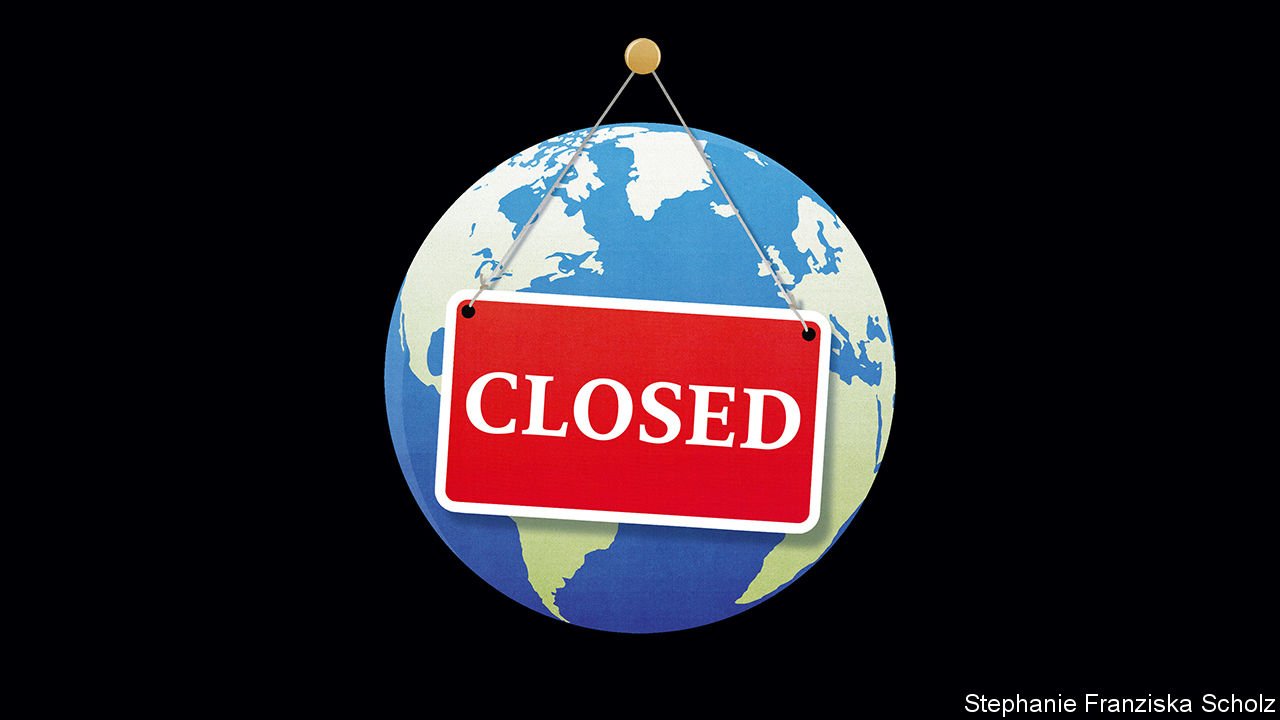
But we need to stop locking down the economy that feeds billions of people on this planet. We can do both at the same time, and need to for the good of all of us.
Full Story:
Social Distancing has become a part of life in the last month. The President called for it and people answered.
Social Distance for a couple weeks to stem the pandemic and keep it from overloading the hospitals? Yeah. Don’t go to concerts or conventions. Don’t go to parties in bars. Wash your hands. Don’t sneeze on people. It made sense. It still makes sense. And most people are perfectly willing to do that. Hold off on large gatherings for a couple weeks and spend some downtime with family. Though as it stretched to three and four weeks, it has become another matter for many people. Less a vacation and more of a jail cell.
Other than a handful of hotspots like New York City, most of the country has barely felt the pandemic. It’s a lot of bluster and not much reality. What is real to many is something far different than the pandemic.
In some States, the governors stepped in with orders far more widespread than mere Social Distancing. They shut down small businesses. Though they kept larger businesses like Walmart and Target open, donchaknow. They picked certain businesses to stay open, and ordered others closed. Some made sense. Others did not. Whatever the case, they sent millions of Americans home with orders not to work.
In many States, they told the hospitals not to perform elective procedures. Sixteen years ago, my mother went in for a standard checkup, and found out two days later that she had cancer. She was operated on a week later and had radiation and chemotherapy for months. Which of all that was elective, and would she be alive now if she was denied those elective procedures? What about everybody else who goes in for a standard checkup and finds out there is something wrong? And because of this, hospitals across the nation are virtual ghost towns. Most of the nation has not seen a massive surge of Wuhan Virus patients, or it has already passed, and so they have sent millions of workers and patients home.
In some States, they arrest or fine people taking walks alone, fishing alone, or even stepping out onto their own porches. They arrest dads for playing catch with their kids and tell married couples who live in the same house that they can’t sit beside each other in public. They ticket people maintaining Social Distancing while parking in Church parking lots on Sunday mornings. And sometimes they even tell the stores allowed to stay open what products they are allowed to sell.
To many people this feels less like Social Distancing to protect the most vulnerable amongst us and more like government deny them the right to live their lives. Federal Representatives show off their fifteen thousand dollar refrigerators stocked with premium ice cream while people ordered to stop working cannot afford to put food in theirs. Food banks are running out of food while farmers are forced to throw food away or leave it to rot in the fields.
Is it any surprise that people are beginning to protest this? Ten thousand cars drove by the Michigan governor to demand the opportunity to go back to work, and because they dared to do that, she suggested that she might have to keep them locked up for longer. Other protests are springing up every day in parts of America where the pandemic is simply not a big deal. Largely rural areas where Social Distancing is easy and the pandemic curve has already flattened and dropped, or never bumped much at all.
If there is one thing we have learned from this pandemic, it is that top-down, one-size-fits-all government mandates don’t work. For every New York City where people live on top of each other and pandemics can rage through populations, there are thousands of towns smaller than New York’s daily death toll, or rural areas where population is counted in the number of miles per person. We do not need to shut down the entire country to fight this pandemic, and many people are coming to this realization.
We need to balance Social Distancing for health, with working and being outside for our health. The vast majority of us can safely go to work right now without suffering any ill effects from this pandemic. We know this based on how many people have been diagnosed with the Wuhan Virus who never had any symptoms at all. And we don’t know how many people who had it and got over it without ever being tested at all. We need to protect the most vulnerable of course, and we need to practice simple hygiene care, but we don’t have to shut down our country to do that.
We need to keep the economy that feeds billions of people on this planet working, or we will not be able to feed billions of people when winter comes. For the health of the human race, we must get back to work. And there are many people who are usually far too busy working who have the time to go out and protest right now because they have been denied the very right to work that has built this economy. And so they are demanding that right be restored to them. For the good of us all.


 Forge of War on Amazon
 Angel Flight on Amazon
 Angel Strike on Amazon
 Angel War on Amazon
 Wolfenheim Rising on Amazon
 Wolfenheim Emergent on Amazon