
It is amazing how much the world can change in two weeks. Two weeks ago I forecasted a minor economic bump and some late kickstarters if the Wuhan Virus continued as it was. Slightly more deadly or around the same as the flue. Easily transmittable, but focused mainly on the elderly or immune-compromised. That trend has continued, though I did hold out the possibility of a second expression or some other change in the Wuhan Virus’s trends in general. I was mainly thinking of a major uptick in the illness beyond the current trends of the time.
I did not factor for the actions of the government in my forecast. I should have. That is totally on me.
We have seen some very sensible recommendations from the federal government. A declaration of emergency. Travel bans from infected nations. A two-page, very clear recommendation on how you should travel (or not) depending on your current situation. Suggestions that we not congregate in large groups, a number that started at 100 and has since dropped to 50 and then 10. Reminders to wash our hands and disinfect commonly used areas. These are all very sensible suggestions in my opinion. And following them will greatly reduce the spread of the Wuhan Virus.
Then certain State governments jumped in and demanded the shutting down of entire segments of our economy. Restaurants down to take out or delivery only. Bars closed. Note that these aren’t entirely bad suggestions, mind you. Limit social contact is a very good thing in a case like this. And any public space can pass the virus, so I do understand this. But in some States, all “non-essential” industries are closed for the duration. With each State deciding what is essential of course. Truck stops that truckers use to fuel up and feed themselves while delivering food and medicine aren’t essential. Right? So close them down. Maybe we should be ban all voluntary medical procedures? Great. Who decides what should be allowed or not. The government? Or the professionals who know what they are doing?
And that doesn’t even count those who have decided to use this emergency to try to infringe on certain Constitutionally-recognized rights. The right to protest and peaceably assemble. Just mind your personal space, please. I don’t want anybody sneezing on me. The right to have firearms. What? You think a virus is a good reason to take away people’s guns? Increasing the government’s authority to detain people without letting them see a lawyer or know what charges are being aimed at them? These are some pretty big asks here, and I’m looking real doubtful towards a lot of you government types right now.
This has all caused a rather…impressive kick to our collective posteriors when it comes to our economy. Who knew that shutting down entire sectors of our economy would negatively impact the economy? But have no fear. The federal government is here to help us in our hour of need. Right? Republicans and Democrats have been negotiating all weekend to get something done, to give a boost to the economy and help all the people who are being taken out of work by this whole thing. A major infusion of tax dollars to give us all a cushion so we can pay our bills. Oh, but wait. After finally coming to a compromise bill that will pass, the Head of the House of Representatives flies across the country to trump the compromise and say no to all of it.
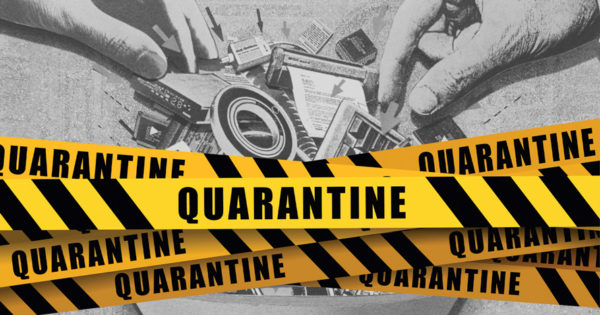
So now we are back to our previous situation. Entire segments of the economy are shut down. Millions of Americans are under quarantine and unable to work. The economy is in what I would probably describe as something close to freefall for the foreseeable near future. And to think. Even a week ago, things still felt pretty normal to me. Just a little panic around the edges. Right.
Sometimes I just don’t understand humans.


 Forge of War on Amazon
 Angel Flight on Amazon
 Angel Strike on Amazon
 Angel War on Amazon
 Wolfenheim Rising on Amazon
 Wolfenheim Emergent on Amazon