When it comes to AI art, I have come up with a system that generally seems to work to get good results. I start with a scene, add a basic theme, and then the character prompts. Since I mostly do character references, that is usually just one character. Working from a previous example, I would start with a Minnesota lake. For a theme, let’s say it is nighttime, with a campfire. Then I add a prompt for a happy college woman with long blonde hair and big blue eyes. Maybe add a yellow sundress. Separate the prompts with commas, give it to the AI, and see what happens. Add the right focusing prompts and you might see Betty at night next to a campfire with a Minnesota lake and a bring moon rising in the background. Sounds like a nice place to be, huh?
One of the issues with AI art is they are kinda like idiot savants right now. Even the best can go down rabbit holes of crazy if you aren’t careful. And some do better at some things and worse at others. The key to getting good results from the various AI art generators is practice. Throw out some prompts and run a few generations to see what you get. If you don’t like it, modify your prompts and try again. There is a learning curve every time you try out a new model as well. Some are really good at showing emotions, some don’t emote at all. Find one with a style you like, and give it a go. You never know what you’ll get. For my uses, I create pictures of the characters in my stories so I can use them as references. It works really good for that.
The new AI art generators are amazing. They can take basic prompts and give you an image. Do I want a blonde-haired girl with blue eyes standing next to a Minnesota lake? I can ask for that. And it will generate something. I might like it. I might hate it. If you have a powerful enough computer you can run an AI model on your local computer. If you don’t, you can go many places on the web where you can try them out. Some are free. Some are paid. And some are a combo of both. I use the free side of dezgo dot com for character references and get good results that are awesome for putting up on the computer while writing a scene that features that character.
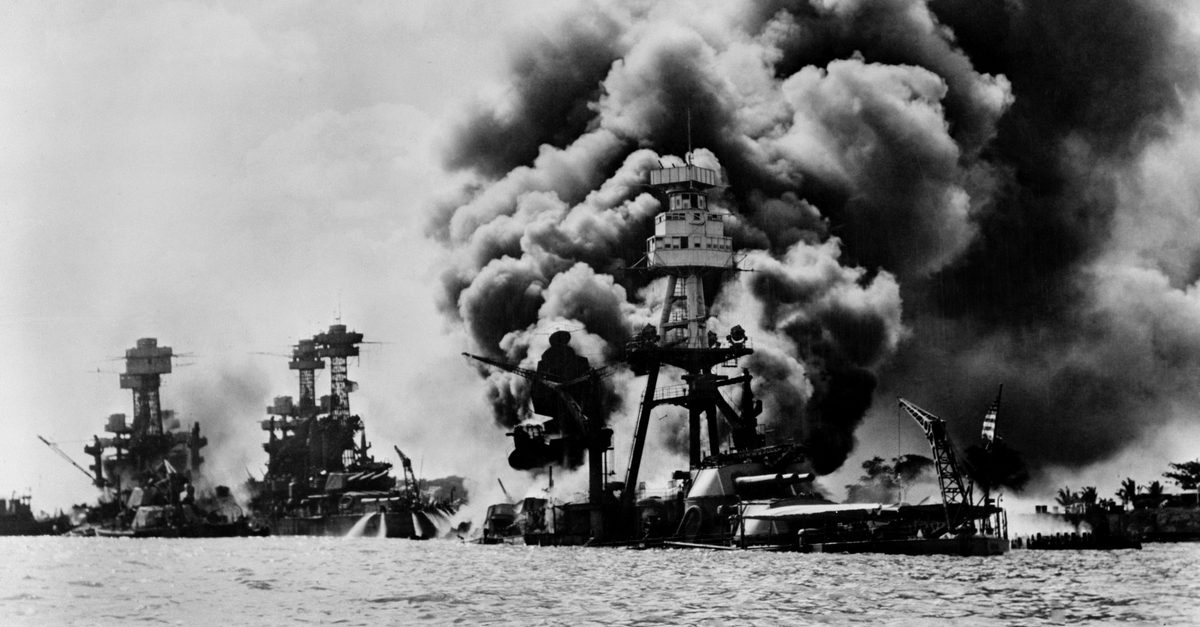
December 7, 1941 – a date which will live in infamy – the United States of America was suddenly and deliberately attacked by naval and air forces of the Empire of Japan. The United States was at peace with that Nation and, at the solicitation of Japan, was still in conversation with its Government and its Emperor looking toward the maintenance of peace in the Pacific. Indeed, one hour after Japanese air squadrons had commenced bombing in the American Island of Oahu, the Japanese Ambassador to the United States and his colleague delivered to our Secretary of State a formal reply to a recent American message. And while this reply stated that it seemed useless to continue the existing diplomatic negotiations, it contained no threat or hint of war or of armed attack.
Art is an interesting thing. I’ve used art for my characters since the very beginning when I was writing my characters. Back then in was reference pictures taken off the internet. Then I paid artists to make pictures for me. Then I found the joys of 3D computer graphics and began making the pictures myself. Now there are the AI art programs that have hit the Internet by storm. All I have to do is type in some words and let the computer spit out an idea for me. There’s a lot of testing which text prompts work to get which results of course. But in the end you can get some good results, especially with some of the better AI art models coming out in the last year. And now that I’m about to publish another story, I want to show some of those characters off.

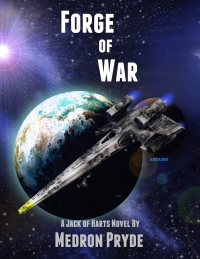
Forge of War on Amazon
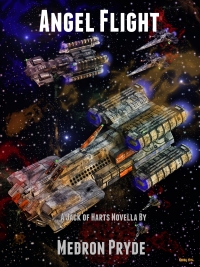
Angel Flight on Amazon
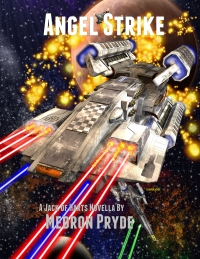
Angel Strike on Amazon
Angel War on Amazon
Wolfenheim Rising on Amazon
Wolfenheim Emergent on Amazon