

Welcome shoppers, to the Goblin Bazaar!
Please stay and browse, you’ve traveled so far.
Touch and caress every item!
Make uncanny deals if you find ‘em.
But beware of getting lost in the stars.
The Goblin Bazaar awaits you if you dare…
Comment
Welcome shoppers, to the Goblin Bazaar!
Please stay and browse, you’ve traveled so far.
Touch and caress every item!
Make uncanny deals if you find ‘em.
But beware of getting lost in the stars.
The Goblin Bazaar awaits you if you dare…

Raconteur Press is publishing the Goblin Bazaar this weekend. It will include many interesting stories about the strange places you can find strange things for strange prices. And while you are waiting for it, check out the first in the series, Goblin Market. In it you can find many interesting stories about the strange places you can find strange things for strange prices. Mmmm… I sense a theme here. And in it you can find my story, Goblins in the Marketplace, where a hunter of otherworldly beings faces a great and terrible price for the weapons of his profession.
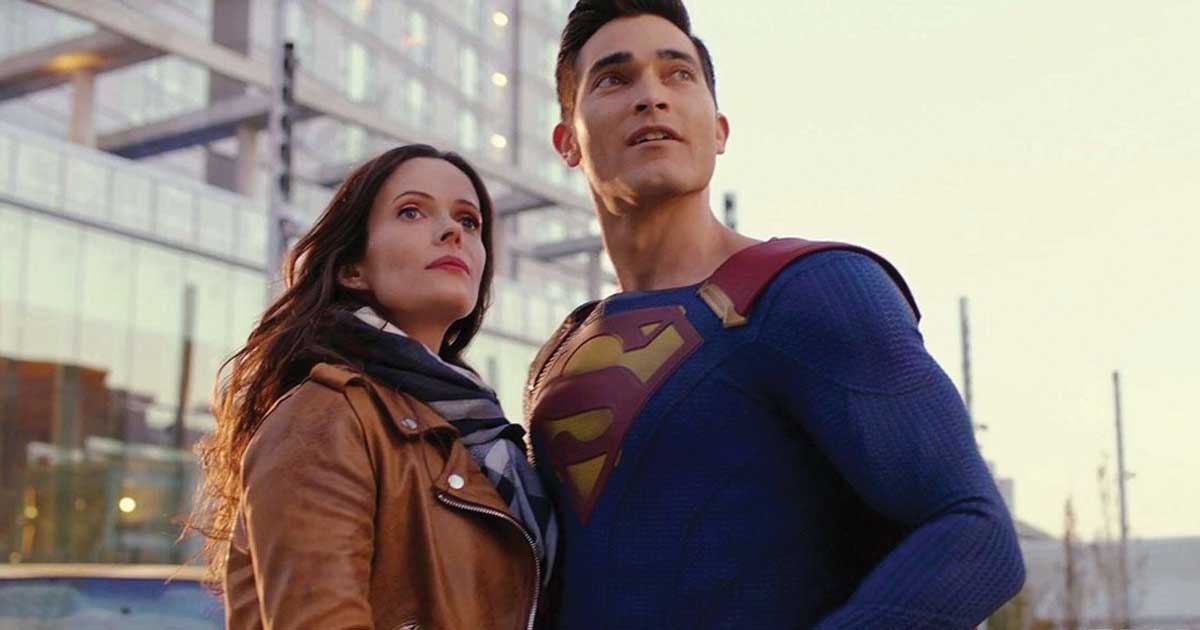
I’ve been watching Superman and Lois since it started. I’ve watched all of the Superman shows that have come out in my lifetime. As a major fan of Superman, I love to watch anything with him in it, and this one I think really hit the stride right.
Some treatments get the character more than others. Some shows go too long or get too gimmicky. The new Supergirl for instance started awesome with an amazing first season, but jumped the shark hard and quick. Smallville I loved even if it went on too long and ended up pretty gimmicky. I loved all the cameos they brought in of old Superman actors though. And I loved the pseudo-Justice League they built up. And of course I loved the old Dean Cain Superman back in the day. And if there is one thing I love Justice League for, it is giving the king of nerds the chance to finally play Superman as he is meant to be played. With a smile. The problem most of these treatments have is that they got a bit too much soap opera in them. People had to do dumb things to move the story along. Times that I just shook my head at the best of them.
Superman and Lois started as a story about a man with powers in love with his wife raising two growing boys. And it ended as a story about a man with powers in love with his wife with two grown boys. There was a bit of soup mixed in from time to time, but the creators kept it out for the most part. And even if they didn’t always make the right decisions, there was never too much case of the dumbs. Even the teenage boys didn’t go stupid too much. Don’t worry. They had their moments. But Mom and Dad were always there somewhere to help them out in the end. And that was it.
From beginning to end, it was a story about a family who never gave up on each other, and who were always there to help each other. Through all the trials and enemies and friends they made along the way, they never stopped. And Superman never stopped being Clark Kent. The small town boy who always had a smile for his friends in Smallville. It when by so fast in the end, but somehow I think it was just about right.
Superman and Lois is in my humble opinion the best of the Superman TV shows. Maybe better than the movies. Not knocking the actors of any of them. But this show got the character better than any of them I think. Yes. Even that one. I loved it from beginning to end, with very few steps into like. And the last episode made me cry. And then they made me cry a second time. If you’ve seen the finale, you can probably guess where.
If you have even a passing affinity for Superman and haven’t seen it, I think you’ll like it if you track it down. I know I do. I really loved it, even if it went by so fast.
I will say that I like most of the Presidential nominees so far. Of course, I am someone who sees the evils The System has committed and I want people to disrupt it. To reform it. So many of the nominees are right up my alley. One that isn’t is the current nominee for the DEA. According to what I’ve read, he’s a Florida sheriff who kept liquor stores open since they were critical infrastructure, and then ordered churches to close. He even arrested a pastor who held services despite the lockdown order. I think this guy would fit in really well with the Democrats, and I don’t want him anywhere near the government. I don’t want anyone who participated in the evils The System perpetrated during the lockdowns getting any more power under their belts.
The thing to remember about The System is that The System is always looking to protect and perpetuate itself. The System doesn’t want to be reformed because it likes itself the way it is, except that it wants to get bigger. It really don’t want to get smaller, and it will fight anyone it thinks is going to try to prune it back. That is why it has fought so hard against everybody it sees as a threat to it growing. And why it will continue to do so…
 Forge of War on Amazon
 Angel Flight on Amazon
 Angel Strike on Amazon
 Angel War on Amazon
 Wolfenheim Rising on Amazon
 Wolfenheim Emergent on Amazon