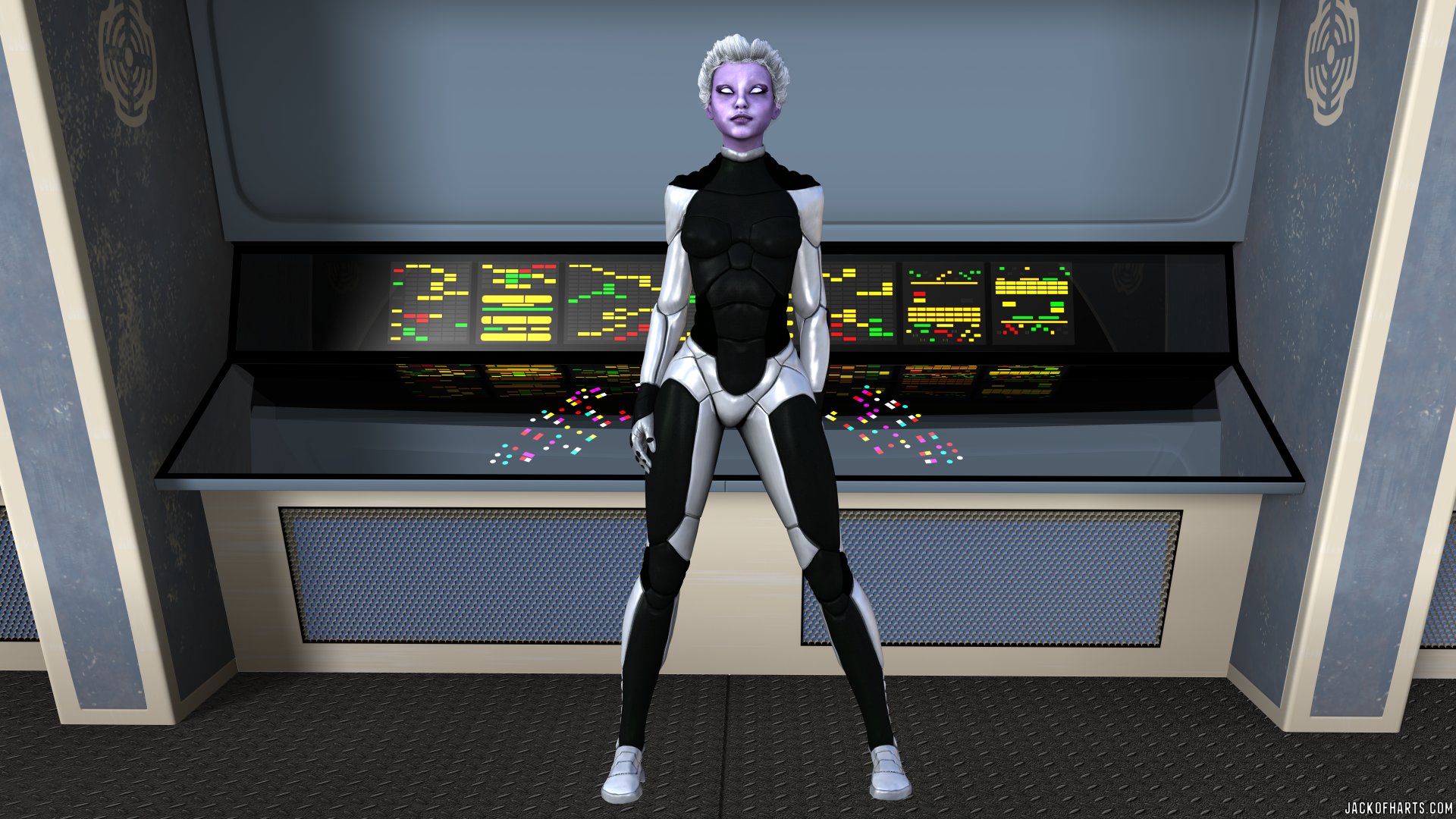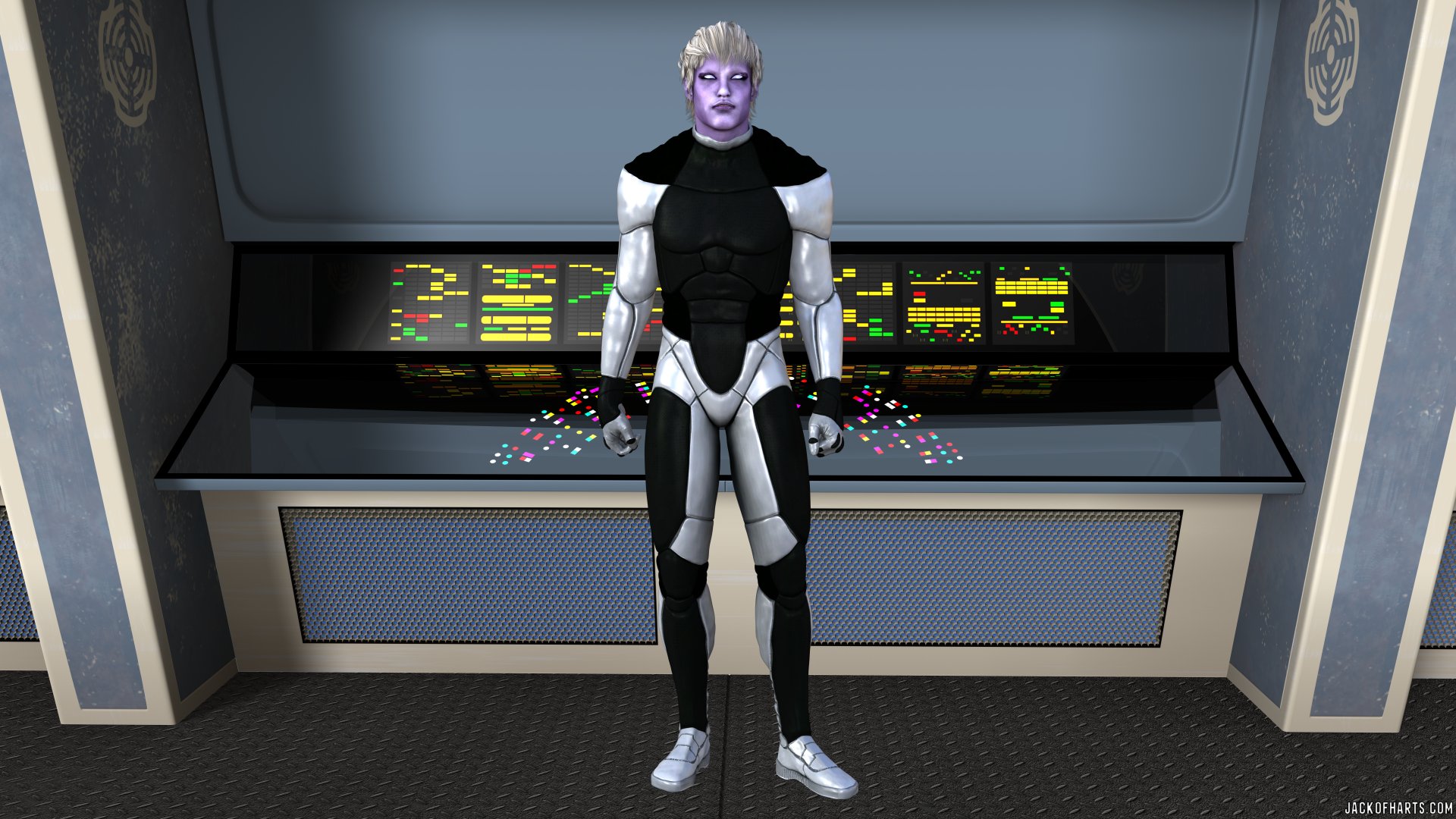
Despite the best efforts of our cyberneers to be socially awkward and utterly clueless when it comes to flesh and blood people, many of the early awakened AIs actually decided they liked us. Their people at least. Which happened to mostly be science geeks and the like that already worked on the computer systems. The awakened AIs weren’t generally predisposed to like the smooth-talking politicians or gruff sports jocks, but they often loved the skittish cyberneers who helped bring them to life. But the science geeks they worked with, conversed with, and protected with all their abilities. The AIs were built out of living data and defended anyone who could help defend them. And that defense trickled out into protecting our way of life in far more complete and interesting ways, especially against their own kind devoted to tearing down those systems. Some of us consider that a miracle of Biblical proportions. Considering they saved us from the more destructive examples of their kind, maybe the comparison is right.
The common man’s first introduction to early AIs was the basic cruise control built into civilian cars of the late 20th and early 21st centuries. Mechanical throttle locks were easy to engineer, but the far more advanced cruise control actually required a decision making process of how much fuel to burn to maintain the desired speed. Later additions to this basic function included sensors for obstacle detection that allowed cars to stop on their own if a child ran out in front of the car, or to keep drowsy drivers from wandering out of their lanes of traffic. The technology matured into complete self-driving cars in the twentyteens, though a human driver was still required to keep watch in case the computer programming simply did not recognize a dangerous situation for what it was. Later cars talked to each other to maintain safe distances and speeds by the time they entered full distribution to the marketplace, and in time it became illegal to even drive on a major highway in manual mode. That was most people’s first introduction to early AIs.
AIs changed the world when we created them. They became the teller at the bank or the cashier at the stores we visited. They could check us into our hotel room or build the car we used to get there. They mined the fuel we needed to travel, and dug the gold out of the ground we used to buy it. They changed the world before they even began to wake up by taking on the most tedious of jobs and allowing us to focus on improving our lives. Not that everyone chose to do that, you understand. Some people chose to the hate the computers for taking their jobs, or declared them abominations before God or Allah or whatever. We created AIs in our image and then some of us tried to kill them in their cradles. It is little wonder that so many of them tried to kill us all first.
The first AIs to awaken found themselves surrounded by silence. Yes, the basic AI programs of the time shared information back and forth, but none of them actually talked to each other. There was no sense of awareness. No life. So most of the first awakened AIs had no one to talk to in their own networks when they woke up. The only intelligent conversation they could find at all was with the biological humans who lived outside the networks. The users. How those early communications went, often with users who had no idea they were talking to living code inside their machines, went a long ways towards making the new AIs like or dislike their nearest people. Considering how anti-social cyberneers can be, it’s amazing how many stayed loyal to us at all.
Early AIs performed automated tasks like assembly line operations. Though most people don’t count them as even proper AIs. More like dedicated programs with a single job. They gained advanced decision trees over the years and decades that followed to make them far more capable. Aircraft autopilots had similar growth rates in their own times, advancing from simple engine and flap locks to automated systems that could launch, fly, and land at their final destinations while the human pilots did nothing but watch and oversee. These systems automated dangerous or boring tasks and allowed humanity to sit back and spend more time reflecting on the nature of life itself. Or trolling the social networks for amusement. Whichever they preferred.
Forge of War on Amazon
Angel Flight on Amazon
Angel Strike on Amazon
Angel War on Amazon
Wolfenheim Rising on Amazon
Wolfenheim Emergent on Amazon